
Author: Taimurkhan

How AI is Revolutionizing Agriculture: The Future of Smart FarmingHow AI is Revolutionizing Agriculture: The Future of Smart Farming

In the face of climate change, population growth, and increasing food demand, traditional farming methods alone are no longer sufficient. Agriculture must evolve—and it is. The integration of artificial intelligence in agriculture is revolutionizing how food is grown, monitored, and harvested. From predictive analytics to AI-powered drones, farming has become smarter, more efficient, and data-driven. At the forefront of this transformation is Cultor.ai, helping shape a future where AI in farming ensures better yield, sustainability, and profitability.

The Rise of AI in Agriculture

Why is AI such a game-changer for agriculture?

For centuries, farming relied on intuition, experience, and trial and error. While these methods worked, they were prone to inefficiencies and guesswork. With the digital revolution, AI in agtech is now enabling farmers to make real-time, precise decisions backed by data.

Technologies like machine learning in agriculture, computer vision, satellite imaging, and smart sensors allow for advanced monitoring and automation. These tools are driving a new era of digital agriculture, where productivity increases while conserving resources like water, fertilizer, and time.

Key Applications of AI in Modern Farming

Let’s dive into how AI farming is transforming the entire agricultural lifecycle:

1. AI Crop Monitoring

Using computer vision and sensor-based technologies, farmers can now monitor crop conditions 24/7. AI systems analyze data from drones, satellites, and IoT devices to detect issues in real-time—whether it's poor soil health or pest infestations.

This enables AI crop monitoring systems to identify patterns that are invisible to the naked eye, leading to faster interventions and reduced crop loss.

2. AI Yield Prediction

AI crop yield prediction uses historical data, current weather patterns, and soil quality indicators to forecast harvest outcomes. This empowers farmers to plan logistics, storage, and sales more effectively.

By identifying yield fluctuations early, AI in agriculture helps reduce waste and maximize productivity.

3. AI for Crop Health Analysis

AI algorithms can analyze thousands of images of leaves and crops to detect diseases, nutrient deficiencies, and irrigation issues. These systems provide early warnings and actionable insights that boost crop health and performance.

For example, AI for crop health analysis can differentiate between bacterial and fungal infections, ensuring the right treatment is applied at the right time.

4. AI Pest and Disease Detection

Using advanced imaging and machine learning, AI pest detection in agriculture identifies harmful insects and predicts their spread. Similarly, AI plant disease detection systems can scan leaves for signs of blight or mildew.

Early detection reduces dependency on chemicals and improves plant survival rates—resulting in healthier, more sustainable crops.

5. AI Weed Detection and Management

Weeds compete with crops for water, light, and nutrients. Through computer vision, AI weed detection systems can identify unwanted plants and deploy targeted treatment—minimizing herbicide use and protecting the environment.

Precision machine learning agriculture with AI Tools

One of the greatest strengths of AI lies in its ability to power precision agriculture—delivering the right action, in the right place, at the right time.

6. AI for Precision Irrigation

Water scarcity is a global issue. AI for precision irrigation uses soil moisture data, weather forecasts, and crop type to optimize watering schedules. This not only conserves water but also enhances crop growth.

7. AI Variable Rate Application (VRA)

Variable Rate Application enables farmers to apply fertilizers, pesticides, and nutrients at varying rates across their fields based on the specific needs of each area. With AI-powered VRA, applications become more accurate, reducing waste and increasing ROI.

8. AI Soil Health Monitoring

Healthy soil is foundational to successful farming. AI systems evaluate pH, moisture, organic matter, and nutrient content in real-time. AI soil health monitoring ensures farmers know what their fields need—before issues arise.

9. AI Harvest Timing Optimization

When is the best time to harvest? Too early and you lose yield; too late and quality drops. AI harvest timing optimization evaluates factors like ripeness, weather conditions, and market prices to determine the optimal moment to pick your crops.

Imagery Analysis: AI Meets Drones and Satellites

10. AI Satellite Imagery Analysis in Agriculture

Satellites capture wide-scale farm imagery. AI processes this data to reveal vegetation health, moisture stress, and crop performance. AI satellite imagery analysis in agriculture offers macro-level insights without needing boots on the ground.

11. AI Drone Imagery Analysis in Agriculture

Drones provide high-resolution images of specific areas. AI models process these visuals to identify anomalies, assess growth, and even count plants. AI drone imagery analysis in agriculture combines speed, accuracy, and cost-effectiveness in one powerful package.

Specialized Applications: Orchards, Vineyards & Livestock

12. AI Vineyard Management

In vineyards, AI monitors grape ripening, disease risks, and irrigation needs. AI vineyard management ensures higher-quality harvests, optimized spraying, and better wine production outcomes.

13. AI Orchard Management

Orchards require delicate timing for pruning, watering, and harvesting. With AI orchard management, farmers can track tree health and make decisions that increase fruit quality and reduce labor costs.

14. AI Livestock Monitoring

AI isn’t limited to crops. AI livestock monitoring tracks the health, behavior, and reproduction cycles of animals. Facial recognition, thermal cameras, and wearables help detect illness or stress—allowing for rapid response and improved animal welfare.

The Power of AI Farm Analytics and Automation

15. AI Farm Analytics

AI farm analytics takes data from multiple sources—weather, equipment, soil, market trends—and turns it into useful insights. From optimizing planting schedules to budget forecasting, analytics drive smarter business decisions.

16. Automated Farm Reporting with AI

Filling out farm reports can be tedious. With automated farm reporting AI, tasks like compliance documentation, crop reports, and irrigation logs are generated in real time—saving hours of manual effort.

Benefits of AI in AgTech

AI brings powerful advantages to the table:

  • Increased efficiency through automation

  • Improved yield predictions and harvest planning

  • Reduced input costs with precision applications

  • Better resource management (water, fertilizer, time)

  • Environmental sustainability with reduced chemical use

  • Data-driven decision-making for long-term success

These benefits make smart farming with AI not just an option—but a necessity for future food security.

Cultor.ai: Shaping the Future of AI in Agriculture

At the heart of this agricultural revolution is Cultor.ai, a pioneering platform that brings together all these AI innovations into one unified solution. From precision irrigation to satellite imagery analysis, Cultor.ai empowers farmers with cutting-edge tools to make farming more intelligent, profitable, and sustainable.

By integrating real-time analytics, machine learning, and domain-specific AI models, Cultor.ai simplifies complex farming challenges and provides actionable insights. Whether you're managing a vineyard, a livestock operation, or a large-scale crop farm, Cultor.ai is your partner in the smart farming era.

Conclusion

Artificial intelligence is more than just a tech buzzword in agriculture—it's a vital tool for overcoming today’s farming challenges. With applications ranging from AI crop monitoring to automated farm reporting, AI enables farmers to grow more with less while protecting the planet.

As the agtech revolution accelerates, platforms like Cultor.ai play a key role in helping farmers embrace the power of AI farming. The future of agriculture is here—and it’s intelligent.


window.__oai_logHTML?window.__oai_logHTML():window.__oai_SSR_HTML=window.__oai_SSR_HTMLDate.now();requestAnimationFrame((function(){window.__oai_logTTI?window.__oai_logTTI():window.__oai_SSR_TTI=window.__oai_SSR_TTIDate.now()}))
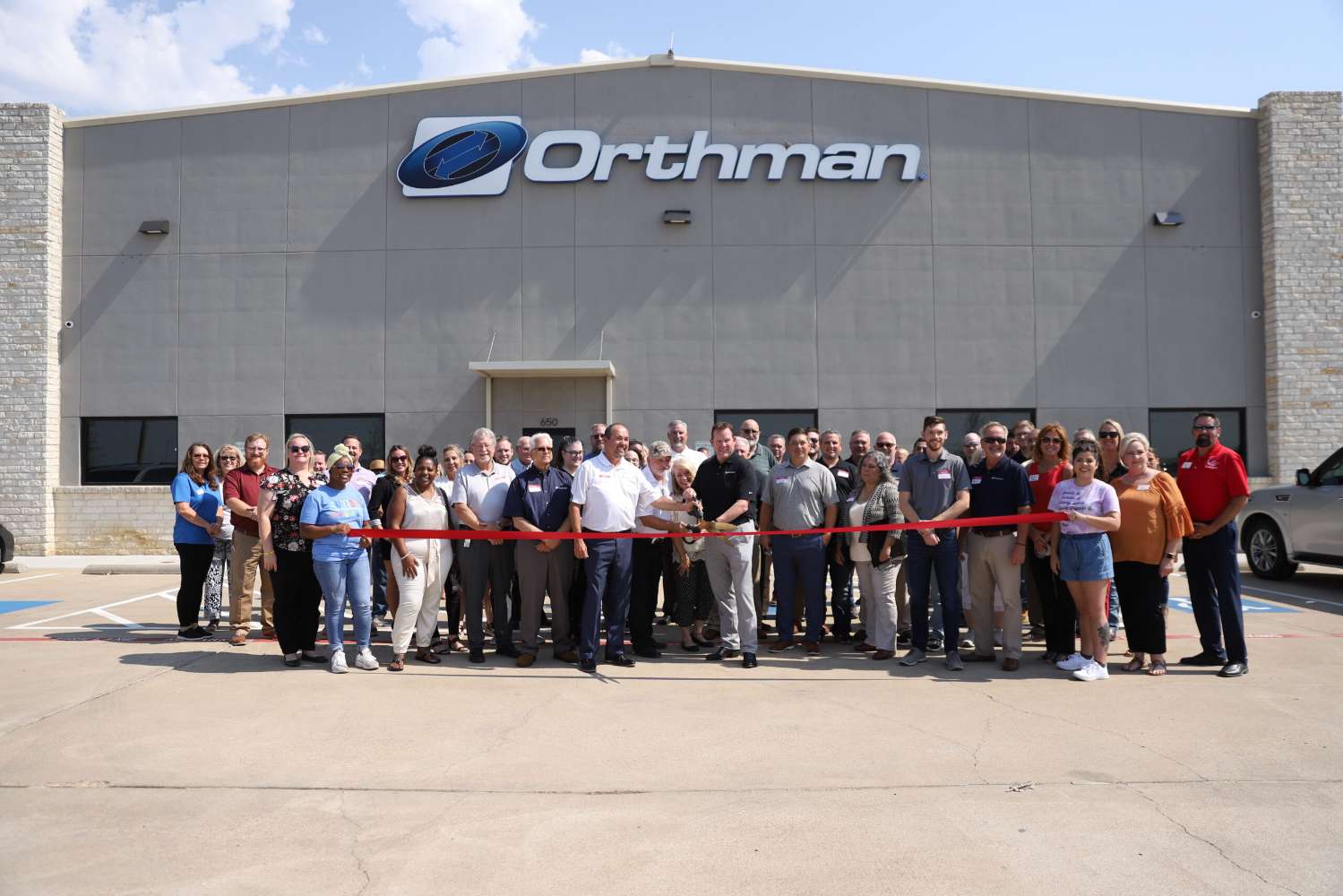
Orthman Conveying Systems (OCS): A Story of Growth, Innovation, and Commitment to ExcellenceOrthman Conveying Systems (OCS): A Story of Growth, Innovation, and Commitment to Excellence

Orthman Conveying Systems (OCS) has been a trusted name in the bulk material handling industry since its inception in 2003. Born as a division of Orthman Manufacturing Inc. (OMI) in Lexington, Nebraska, OCS started as a complementary arm to its parent company. However, in the pursuit of growth, innovation, and better service for its customers, OCS has undergone remarkable changes over the past two decades. Most notably, the company recently restructured itself as an independent entity and completed a major relocation and expansion project that positions it as a forward-thinking leader in its industry.

This article takes a closer look at the company’s history, the reasons behind its relocation, its state-of-the-art facility in Texas, and the many transformations that have solidified OCS’s commitment to quality, innovation, and unparalleled customer service.

The History of OCS and Its Evolution

Orthman Conveying Systems began its journey nearly 20 years ago as a bolt-on division of screw conveyor manufacturer Manufacturing Inc. in Nebraska. At the time, OCS’s focus was on designing, engineering, and manufacturing high-quality bulk material handling products, including screw conveyors, belt conveyors, bucket elevators, and drag conveyors. With a dedication to excellence from the start, OCS quickly became a valuable contributor to the material handling industry.

However, the company’s vision extended beyond being a division of OMI. By July 2022, OCS revamped its operations, becoming an independent company entirely detached from its parent organization. This restructuring marked a pivotal moment in the OCS timeline, enabling it to focus exclusively on its own growth while laying the groundwork to better serve its broad customer base.

Reasons Behind the Relocation to Texas

With independence came the opportunity to reassess the company’s strategy for future growth. Leadership decided to relocate OCS from Lexington, Nebraska, to Cleburne, Texas, for several critical reasons.

Access to Skilled Talent

One of the key motivators for the move was access to a highly skilled workforce. The Dallas-Fort Worth (DFW) Metroplex boasts an expansive talent pool across a wide range of disciplines, including engineering, manufacturing, and sales. By positioning its operations in this area, OCS ensures its ability to attract and retain top-tier professionals who can contribute to the company’s goals of innovation and service excellence.

Enhanced Supply Chain Connectivity

Texas’s highly competitive supplier network and accessibility to raw materials further solidified OCS’s decision to relocate. Proximity to a diverse and robust supply chain allows the company to maintain cost efficiency, improve lead times, and ensure prompt deliveries for client orders.

Convenient Location for Customers

Cleburne, Texas, sits within the bustling Dallas-Fort Worth area, providing convenient access for customers to visit the facility. Its location near a major travel hub ensures same-day travel options, making OCS more accessible to customers and partners nationwide.

Expanded and Modernized Facility

Relocation brought not only proximity to talent and suppliers but also the opportunity for OCS to reimagine its production facility and processes. The company acquired a 20,000-square-foot facility and expanded it by an additional 40,000 square feet. Today, its 60,000-square-foot facility in Cleburne is a shining example of modern engineering, streamlined production, and optimized layout.

Every square foot was carefully planned to align with OCS’s product lines. The new facility boasts cutting-edge equipment, including a 6K laser, multiple press brakes, flight presses, and two saws. With 14 dedicated welding stations, a state-of-the-art paint system, doubled assembly space, and specialized jigs and fixtures, the facility enhances manufacturing efficiency across all product categories.

The result is not just greater production capacity but also enhanced product quality. This transformation empowers OCS to compete directly with major players in the bulk material handling sector.

Strengthened Engineering and Operational Capacity

The enhanced physical space is complemented by an expansion of OCS’s engineering and operational capacities. Since moving to Texas, the company has added key positions within its engineering team, introducing a Planner, two Designers, and two Engineers. Armed with the latest in 3-D solid modeling software, the engineering department is now equipped to tackle intricate projects while meeting increasingly complex customer demands.

Furthermore, operational capacity has seen an upsurge through process refinement and technological advancements. These improvements have already begun producing tangible results, including a 30% reduction in lead times within just six months of the relocation.

New Executive Leadership and Sales Expansion

Another major change within OCS is its strengthened leadership team. The company brought in a new President and Chief Operating Officer, Jimmy Rios, who brings 25 years of invaluable experience in the bulk material handling industry. His leadership is driving strategic initiatives that prioritize customer satisfaction, operational improvement, and market competitiveness.

On the sales side, OCS has significantly broadened its footprint. A new National Sales Manager, an additional Regional Sales Manager, and four Estimators have joined the team to provide a more robust and service-oriented sales strategy. These enhancements ensure that OCS can effectively reach customers, assess their needs, and deliver solutions quickly and efficiently.

Commitment to Innovation and Technology

OCS is not merely modernizing its facility and operations; it is also investing in tools and technologies to enhance its customer experience and internal workflows. The implementation of a mobile-capable Customer Relationship Management (CRM) program is already streamlining the sales and support processes, enabling better communication and faster responses for customers.

Additionally, the company is developing a Configurator project that will make configuring and customizing products faster and easier. These tools reflect OCS’s commitment to blending traditional industrial expertise with modern digital solutions.

Meanwhile, work is underway to launch a new dedicated website solely focused on bulk material handling. This digital platform is expected to enhance customer engagement, provide detailed product information, and serve as a resource for potential clients seeking solutions in this specialized industry.

OCS’s Commitment to Quality and Customer Experience

Throughout all these changes, one core tenet of OCS remains steadfast: the commitment to superior quality and exceptional customer service. OCS’s guiding principle is to deliver high-quality products on time while ensuring a seamless and enjoyable buying experience for every customer.

OCS reinforces this commitment through its active involvement in key industry trade associations, including the Power Transmission Distributors Association (PTDA), Conveyor Equipment Manufacturers Association (CEMA), and the Grain Elevator and Processing Society (GEAPS). Participation in these organizations keeps OCS at the forefront of industry best practices, standards, and trends.

Looking Ahead

The relocation to Texas and the numerous enhancements in personnel, facilities, and technology signify a new era for Orthman Conveying Systems. By fostering a culture of innovation, bolstering its operational efficiency, and strengthening its customer-centric approach, OCS has established itself as a leader capable of meeting the demanding needs of the bulk material handling industry.

Whether it’s through quicker lead times, cutting-edge engineering capabilities, or the creation of high-quality material handling systems, OCS continues to deliver on its promise to improve efficiency and exceed customer expectations. With its well-positioned facility, talented team, and forward-thinking leadership, Orthman Conveying Systems is poised to set benchmarks and drive success in the years to come.