
Category: Health & Fitness

L’importance des soins dentaires chez les enfantsL’importance des soins dentaires chez les enfants

Prendre soin des dents de son enfant dès le plus jeune âge est essentiel pour assurer une bonne santé bucco-dentaire à long terme. Une hygiène dentaire rigoureuse et des visites régulières chez le dentiste permettent de prévenir de nombreux problèmes comme les caries, les malformations dentaires ou encore les maladies des gencives. Dans cet article, nous allons voir pourquoi les soins dentaires chez les enfants sont primordiaux et comment instaurer de bonnes habitudes dès l’enfance. Dentiste Quebec.

1. Pourquoi les soins dentaires sont-ils essentiels chez les enfants ?

Les dents de lait jouent un rôle crucial dans le développement de l’enfant. Contrairement à certaines idées reçues, elles ne doivent pas être négligées sous prétexte qu’elles sont temporaires.

1.1. Prévenir les caries dès le plus jeune âge

Les enfants sont particulièrement vulnérables aux caries dentaires en raison de leur consommation de sucre et de leur tendance à grignoter fréquemment. Une carie sur une dent de lait peut rapidement causer des douleurs et des infections.

1.2. Favoriser un bon alignement des dents définitives

Les dents de lait servent de guide pour les dents permanentes. Une perte prématurée due à une carie ou une extraction peut entraîner des problèmes d’alignement et nécessiter un traitement orthodontique plus tard.

1.3. Développer de bonnes habitudes d’hygiène

L’apprentissage d’une bonne hygiène bucco-dentaire dès l’enfance favorise une routine saine à l’âge adulte et réduit le risque de pathologies dentaires.

2. À quel âge faut-il commencer les soins dentaires ?

Les soins dentaires doivent commencer dès l’apparition des premières dents. Voici quelques recommandations selon l’âge de l’enfant :

2.1. De 0 à 2 ans : l’éveil à l’hygiène bucco-dentaire

  • Nettoyer les gencives avec une compresse humide avant l’apparition des dents.

  • Brosser les premières dents avec une brosse à dents souple et une trace de dentifrice fluoré.

  • Éviter le biberon sucré avant le coucher pour prévenir la « carie du biberon ».

2.2. De 2 à 6 ans : apprendre à bien se brosser les dents

  • Introduire un brossage des dents deux fois par jour sous la supervision des parents.

  • Utiliser un dentifrice contenant entre 500 et 1000 ppm de fluor.

  • Commencer à apprendre l’usage du fil dentaire si nécessaire.

2.3. À partir de 6 ans : responsabilisation et contrôle régulier

  • Encourager l’autonomie dans le brossage tout en vérifiant son efficacité.

  • Augmenter la dose de fluor du dentifrice à 1000-1450 ppm.

  • Consulter le dentiste au moins une fois par an pour un suivi et un éventuel détartrage.

3. Les bonnes habitudes à adopter pour des dents saines

3.1. Une alimentation équilibrée pour préserver les dents

  • Réduire la consommation de sucres et de sodas, qui favorisent les caries.

  • Privilégier les aliments riches en calcium (produits laitiers, légumes verts) pour renforcer l’émail.

  • Encourager la consommation d’eau plutôt que de jus de fruits industriels.

3.2. Un suivi régulier chez le dentiste

Les visites chez le dentiste permettent de détecter précocement les éventuels problèmes et d’appliquer des traitements préventifs comme :

  • Le scellement des sillons, une résine appliquée sur les molaires pour prévenir les caries.

  • L’application de fluor pour renforcer l’émail des dents.

3.3. L’importance du rôle des parents

Les parents doivent être un modèle en matière d’hygiène dentaire et accompagner leur enfant dans son apprentissage. Ludiques, les brosses à dents colorées et les dentifrices au goût agréable peuvent motiver l’enfant à se brosser les dents avec plaisir.

4. Conclusion

Prendre soin des dents des enfants dès leur plus jeune âge est essentiel pour leur santé bucco-dentaire future. Une bonne hygiène, une alimentation équilibrée et des visites régulières chez le dentiste permettent de prévenir les caries et les problèmes dentaires. En tant que parents, il est primordial d’instaurer de bonnes habitudes et de sensibiliser les enfants à l’importance des soins dentaires. Un sourire sain commence dès l’enfance !

Cardiology: The Science of Heart Health and TreatmentCardiology: The Science of Heart Health and Treatment

Cardiology is a specialized branch of medicine focused on diagnosing, treating, and preventing heart-related diseases. As the heart is the central organ that drives the circulatory system, its health is crucial for the overall well-being of the body. Cardiologists, the experts in this field, play a key role in managing cardiovascular diseases and ensuring the heart functions effectively throughout a person's life.

The Heart: The Engine of the Body

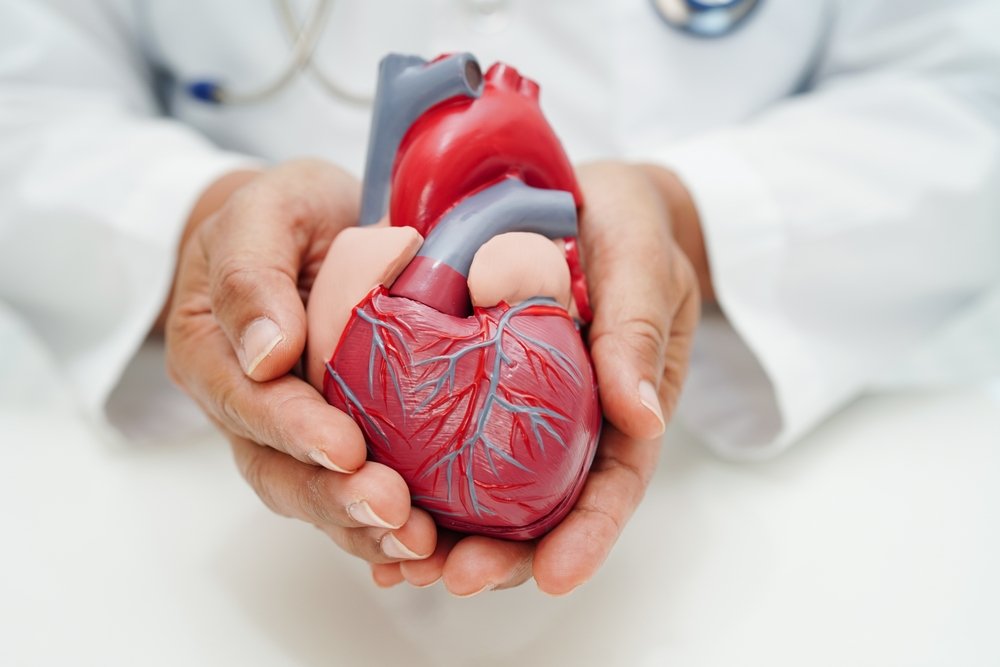
The human heart is a muscular organ that pumps blood throughout the body. With its four chambers (the left and right atria and the left and right ventricles), it plays a pivotal role in circulating oxygen-rich blood to the organs and tissues, while removing carbon dioxide and waste products. Each beat of the heart serves as the engine that keeps blood flowing, ensuring that the body's cells receive the nutrients they need to function.

Heart diseases, which affect millions globally, can disrupt this critical function. Cardiologists specialize in understanding the complexities of heart anatomy and physiology, enabling them to diagnose a wide range of heart conditions and offer personalized treatments to patients.

Key Areas of Focus in Cardiology

Cardiology encompasses several aspects of heart health, ranging from the study of the heart’s electrical system to its blood flow and structural integrity. Below are some of the major areas of focus:

  1. Coronary Artery Disease (CAD): This is one of the most common heart conditions, occurring when plaque builds up in the arteries that supply blood to the heart muscle. The plaque narrows the arteries and can lead to chest pain (angina) or even heart attacks. In severe cases, it can be treated with procedures such as angioplasty or coronary artery bypass surgery (CABG).

  2. Heart Failure: In heart failure, the heart is unable to pump blood efficiently, leading to fluid retention, fatigue, shortness of breath, and reduced capacity for physical activity. While heart failure is chronic and progressive, cardiologists use various strategies, including medication and lifestyle changes, to manage the condition.

  3. Arrhythmias: These are abnormal heart rhythms that can cause the heart to beat too fast, too slow, or irregularly. Common types of arrhythmias include atrial fibrillation, ventricular tachycardia, and bradycardia. Some arrhythmias can be managed with medications, while others may require procedures like ablation or pacemaker implantation.

  4. Valvular Heart Disease: The heart’s four valves—mitral, aortic, tricuspid, and pulmonary—regulate blood flow between the heart chambers and into the arteries. When these valves become damaged or diseased, they can lead to heart failure or other complications. Treatment options include valve repair or replacement surgery.

  5. Congenital Heart Defects: These are structural heart defects present at birth, affecting the heart’s structure and function. Depending on the severity, they may require medical management, surgery, or other interventions during infancy or later in life.

  6. Hypertension: High blood pressure is a significant risk factor for heart disease. If left untreated, it can lead to complications such as heart failure, stroke, and kidney damage. Cardiologists focus on controlling blood pressure through medications, diet, and exercise.

Innovations and Technologies in Cardiology

The field of cardiology has advanced significantly over the past few decades, thanks to technological innovations. These advancements have enhanced the ability to diagnose and treat heart diseases more accurately and efficiently:

  • Cardiac Imaging: Modern imaging techniques, such as echocardiography, magnetic resonance imaging (MRI), and computed tomography (CT) scans, allow cardiologists to visualize the heart's structure and blood vessels without the need for invasive procedures. These imaging tools help diagnose conditions such as heart disease, valve abnormalities, and congenital heart defects.

  • Minimally Invasive Procedures: Invasive procedures, once requiring major surgery, have evolved into minimally invasive options. For instance, coronary angioplasty uses a balloon to open blocked arteries, and stent placement can maintain artery patency, reducing the need for open-heart surgery.

  • Robot-Assisted Surgery: Robotic technology has revolutionized certain surgical procedures. Using robotic-assisted systems, surgeons can perform precise heart surgeries with smaller incisions and reduced recovery times. These technologies improve surgical outcomes and reduce patient risk.

  • Wearable Heart Monitors: Advancements in wearable technology have empowered individuals to monitor their heart health in real time. Devices such as fitness trackers, smartwatches, and wearable ECG monitors allow patients to detect abnormal heart rhythms and alert healthcare providers to potential issues, facilitating early intervention.

  • Artificial Intelligence (AI): AI algorithms are increasingly being used to assist in diagnosing heart conditions. AI can analyze medical imaging, ECGs, and other diagnostic data to identify patterns and provide cardiologists with precise readings. This technology has the potential to speed up diagnoses and improve patient care.

Prevention: Protecting the Heart Before Disease Strikes

Prevention plays a crucial role in cardiology. Many heart diseases, such as coronary artery disease and hypertension, can be avoided or managed with the right lifestyle choices. Cardiologists emphasize the importance of heart-healthy habits, including:

  • Regular Exercise: Engaging in physical activity strengthens the heart, improves circulation, and helps maintain a healthy weight. Cardiologists recommend at least 30 minutes of moderate exercise most days of the week.

  • Balanced Diet: A diet rich in fruits, vegetables, whole grains, and lean proteins helps reduce the risk of heart disease. Reducing salt, sugar, and saturated fat intake can also help manage blood pressure and cholesterol levels.

  • Smoking Cessation: Smoking is a major risk factor for heart disease, as it damages blood vessels and leads to plaque buildup. Quitting smoking dramatically reduces the risk of heart attack, stroke, and other cardiovascular problems.

  • Stress Management: Chronic stress can elevate blood pressure and contribute to heart disease. Practices such as meditation, yoga, and deep breathing exercises can help reduce stress and promote heart health.

  • Regular Health Checkups: Regular checkups with a healthcare provider can help identify risk factors like high blood pressure, high cholesterol, and obesity early on, allowing for timely intervention and management.

The Future of Cardiology

The future of cardiology holds exciting possibilities. Research into gene therapy, stem cell treatments, and regenerative medicine could open doors to groundbreaking treatments for heart disease. Additionally, with the increasing prevalence of artificial intelligence in healthcare, 運動心電圖 is likely to see even more advancements in precision medicine and personalized treatment plans.

As cardiology continues to evolve, the collaboration between medical professionals, researchers, and technology experts will be vital in addressing the growing global burden of heart disease. The goal is not just to treat heart disease but to prevent it, helping individuals lead long, healthy lives free from cardiovascular complications.

Conclusion

Cardiology is more than just a medical specialty; it is a vital area of healthcare that shapes the way we approach heart health. From advanced diagnostic tools to cutting-edge treatment options, cardiologists play an indispensable role in improving heart health and saving lives. With heart disease being a leading cause of death worldwide, ongoing research and technological advances continue to offer new hope for patients and drive improvements in care. By prioritizing prevention and staying informed about cardiovascular health, individuals can significantly reduce their risk of heart disease and lead healthier, more fulfilling lives.

Exploring the World of Medical Beauty: A Comprehensive Guide to Non-Surgical Aesthetic TreatmentsExploring the World of Medical Beauty: A Comprehensive Guide to Non-Surgical Aesthetic Treatments

The world of beauty is no longer limited to creams, serums, and makeup. Over the past few years, juvederm volite has emerged as a transformative force in the world of aesthetics. Combining the expertise of medical professionals with cutting-edge technology, medical beauty offers an array of non-surgical treatments that are tailored to help individuals enhance their appearance, reduce signs of aging, and achieve a more confident look—all without the need for invasive surgeries.

The medical beauty industry has been growing rapidly, appealing to a broad demographic that desires noticeable, yet natural-looking results. In this article, we’ll delve into what medical beauty entails, why it’s gaining so much popularity, and explore some of the most popular treatments in the field.

What is Medical Beauty?

Medical beauty, also known as aesthetic medicine or cosmetic dermatology, involves non-invasive or minimally invasive procedures aimed at improving appearance. Unlike traditional beauty treatments, which may involve topical products, medical beauty procedures go beyond the surface to target skin issues, reduce signs of aging, and contour the body. These procedures are typically performed by trained healthcare professionals such as dermatologists, cosmetic surgeons, or licensed aestheticians.

The core of medical beauty is achieving results with minimal discomfort and downtime. It is ideal for those who want to rejuvenate their appearance, reduce facial lines, or address skin concerns without undergoing surgery.

The Rise in Popularity of Medical Beauty

There are several key factors contributing to the growing demand for medical beauty treatments:

1. Non-Invasive, Minimal Downtime

One of the primary attractions of medical beauty is that many treatments are non-invasive or minimally invasive, which means patients can avoid the risks and recovery times associated with traditional cosmetic surgery. Procedures such as Botox injections, dermal fillers, and laser skin resurfacing involve little to no downtime, allowing people to quickly return to their daily lives.

2. Desire for Subtle, Natural Results

The trend in medical beauty is shifting away from dramatic transformations to more subtle and natural-looking enhancements. People are increasingly looking for treatments that can refresh their appearance while still maintaining their unique features. Non-surgical treatments like Botox or dermal fillers help soften fine lines and restore facial volume in a way that appears natural, which is especially appealing for those hesitant about undergoing surgery.

3. Affordable Alternatives to Surgery

Surgical procedures, while effective, can be costly and often require long recovery periods. Medical beauty procedures, on the other hand, offer a more affordable alternative that still delivers impressive results. Many people find non-surgical treatments more budget-friendly and convenient, as they often require fewer visits and can be done on a lunch break or in between other daily activities.

4. Technological Advancements

Medical beauty has evolved thanks to constant advancements in medical technology. Newer and more effective treatments are developed regularly, helping to improve the quality and safety of these procedures. Tools like advanced lasers, radiofrequency machines, and injectable fillers allow for precise treatments that provide more lasting results with fewer side effects.

Popular Treatments in Medical Beauty

Medical beauty encompasses a wide variety of treatments that can target everything from skin texture to body contouring. Below are some of the most popular and widely practiced procedures:

1. Botox and Other Neurotoxins

Botox is the most well-known injectable in the world of medical beauty. It works by temporarily paralyzing the muscles responsible for wrinkle formation, leading to smoother, more youthful skin. Botox is commonly used to treat forehead lines, crow’s feet around the eyes, and frown lines between the eyebrows. Results typically appear within a few days and can last for three to six months.

Other neurotoxins, such as Dysport, Xeomin, and Jeuveau, are similar to Botox but may have slightly different formulations. These treatments are all designed to target wrinkles caused by muscle movement while preserving natural facial expressions.

2. Dermal Fillers

While Botox targets wrinkles caused by muscle contractions, dermal fillers focus on restoring volume to areas of the face that have lost fullness over time. Common areas for filler treatments include the cheeks, lips, under-eye hollows, and the jawline.

Hyaluronic acid fillers such as Juvederm and Restylane are widely used, as they mimic a natural substance found in the skin, providing hydration and volume. Results from dermal fillers are typically immediate and can last anywhere from six months to two years, depending on the type of filler used.

3. Laser Skin Treatments

Laser skin resurfacing is a popular treatment for improving the texture, tone, and appearance of the skin. Different types of lasers, such as fractional CO2 lasers and Erbium lasers, can be used to treat skin concerns such as wrinkles, sun damage, pigmentation issues, and scarring.

Laser treatments work by stimulating collagen production, helping the skin repair itself and giving it a smoother, more youthful appearance. Depending on the intensity of the treatment, patients may experience some downtime, but the results are often long-lasting.

4. Chemical Peels

Chemical peels use chemical exfoliants to remove dead skin cells and promote the regeneration of healthier skin. The strength of the peel can range from superficial to deep, with each level targeting specific concerns. Superficial peels are ideal for light skin discoloration, fine lines, and acne, while deep peels are used to treat more severe conditions like deep wrinkles and scarring.

Chemical peels work by removing damaged skin layers, allowing the skin to renew itself and improve in texture and appearance. A series of peels may be needed for optimal results.

5. CoolSculpting (Fat Freezing)

CoolSculpting, also known as cryolipolysis, is a non-invasive treatment designed to eliminate stubborn fat deposits. The process involves freezing fat cells, which are then naturally eliminated by the body. It’s commonly used on areas such as the abdomen, thighs, and flanks.

CoolSculpting is ideal for people who have localized fat pockets that resist diet and exercise. The procedure is safe and typically requires no downtime, with visible results emerging over several weeks to months.

6. Microneedling

Microneedling, or collagen induction therapy, involves using tiny needles to create micro-injuries in the skin. This stimulates the body’s healing response and promotes collagen and elastin production, leading to smoother, firmer skin. It is commonly used to treat acne scars, fine lines, wrinkles, and uneven skin texture.

Microneedling can also be combined with Platelet-Rich Plasma (PRP), also known as the Vampire Facial, to accelerate healing and enhance the rejuvenating effects.

Benefits of Medical Beauty

Medical beauty offers numerous advantages over traditional beauty treatments. Here are just a few of the key benefits:

1. Quick, Visible Results

One of the main reasons medical beauty has become so popular is its ability to provide immediate results. Whether it’s plumper lips, smoother skin, or reduced fat, these treatments often deliver visible improvements after just one session.

2. Minimal Recovery Time

Unlike traditional cosmetic surgeries that require weeks of recovery, most medical beauty treatments come with minimal downtime. For example, Botox requires no recovery time, and patients can go back to work or their usual activities right away. Even more invasive treatments, like laser skin resurfacing, typically require only a few days of healing.

3. Targeted Solutions

Medical beauty treatments are highly customizable, which means that each treatment plan can be tailored to an individual’s unique needs and goals. Whether someone is looking to smooth wrinkles, sculpt their body, or treat specific skin conditions, medical beauty offers a wide variety of solutions.

4. Long-Lasting Results

Many medical beauty treatments provide long-lasting results, with effects that can last from several months to a few years. For example, dermal fillers typically last between 6 months to 2 years, depending on the filler type and area treated.

The Future of Medical Beauty

The future of medical beauty is bright, with new advancements constantly being made in technology, product formulations, and treatment techniques. Innovations such as AI-powered diagnostics for customized treatments, bio-stimulatory injectables that promote natural tissue regeneration, and even more advanced non-invasive fat reduction technologies are on the horizon.

As more people seek non-surgical solutions for aesthetic enhancements, the demand for medical beauty is expected to continue to grow. It’s likely that more people will turn to medical beauty not just for cosmetic improvements but as part of a broader approach to self-care and wellness.

Conclusion

Medical beauty represents a growing and dynamic field within the aesthetics industry, offering a wide range of non-invasive treatments that deliver noticeable results. With minimal downtime, long-lasting effects, and the ability to enhance natural beauty, it’s easy to see why more and more people are opting for medical beauty treatments. Whether it's smooth, youthful skin, a more sculpted body, or enhanced facial features, medical beauty has something to offer everyone who wants to look and feel their best—without the need for surgery.

치료 마사지 서비스를 이용하기 전 준비 사항치료 마사지 서비스를 이용하기 전 준비 사항

개인 병원부터 병원, 헬스클럽까지 다양한 환경에서 활동하는 많은 마사지 치료사가 있습니다. 사람들은 자신의 필요와 요구 사항에 따라 이러한 장소를 방문합니다. 많은 사람들이 우울증과 불안을 겪고 있지만 부상에서 회복하기 위해 치료사와 상담하는 사람들도 있습니다. 마사지 치료를 제공하는 것은 쉬운 일이 아니며 이 일을 위해 전문적이고 전문적인 서비스 제공자를 고용하는 것이 할 수 있는 최선의 방법입니다.

마사지 치료사에게 기대해야 할 것

마사지 치료사의 목표는 고객의 요구와 욕구를 충족시키는 것입니다. 그들은 훈련을 받았고 치료를 제공할 수 있는 기술을 가지고 있을 뿐만 아니라, 고객과 소통하고 고객의 말을 경청합니다. 이것은 또한 그들이 고객에게 유익한 마사지 치료를 제공하는 데 도움이 될 것입니다. 그들은 가장 전문적인 방식으로 고객을 대하고 고객의 기대를 뛰어넘기 위해 가능한 모든 것을 할 것입니다.

어떤 종류의 치료가 필요한가요?

개인으로서, 다윈에서 필요한 출장안마 요법 의 종류를 파악하는 것은 쉽지 않을 것입니다 . 전문적이고 경험이 풍부한 치료사만이 이를 알려줄 수 있습니다. 그들은 스웨덴식, 아로마테라피, 딥 티슈, 트리거 포인트, 반사 요법, 스포츠 마사지 등 다양한 종류의 마사지 요법을 제공할 수 있습니다. 많은 사람들은 스포츠 마사지가 운동선수를 위한 것이라고 생각하지만 그렇지 않습니다. 이러한 종류의 마사지 요법은 통증이나 다른 종류의 부상으로 고통받는 모든 개인을 위한 것입니다.

신뢰할 수 있는 마사지 치료사를 찾는 가장 효율적인 방법


고객으로서 스파나 개인 병원을 방문할 때 안전하고 편안하며 편안한 마사지 경험을 해야 합니다. 따라서 이를 위해서는 고용하는 마사지 치료사가 잘 훈련되고 자격이 있으며 훌륭한 서비스를 제공할 수 있는 기술을 갖추고 있는지 확인해야 합니다. 또한 그 사람이 면허를 가지고 있고 해당 작업을 수행할 수 있는 자격증이 있는지도 확인해야 합니다. 약간의 조사와 참고 자료를 통해 서비스를 제공할 준비가 된 사람을 쉽게 고용할 수 있습니다.

미리 결정해야 할 사항

마사지 치료사를 고용하기 전에, 왜 마사지를 받아야 하는지 결정해야 합니다. 어떤 종류의 문제를 겪고 있습니까? 마사지 치료사를 고용하는 것이 맞습니까? 아니면 해당 분야를 전문으로 하는 전문가를 찾아야 합니까? 많은 사람들이 이러한 모든 문제에 거의 중요성이나 주의를 기울이지 않지만, 노력을 기울여 해당 분야를 전문으로 하는 사람을 고용하는 사람들도 있습니다.

Wield Your Modus Vivendi With PhysiatricsWield Your Modus Vivendi With Physiatrics

sports physiotherapy near Liverpool Street is a great way to exert your life style. It can help you stay active and limber up, and it can even help you find from an combat injury. If you’re looking for a way to stay healthy and keep up with your busy life, physiatrics may be the do for you. Contact a topical anesthetic physiotherapist now to teach more about how they can help you wield your life style.

Physiotherapy helps to restitute front and function when someone is affected by wound, malady, or disablement. It can also help to reduce your risk of combat injury or illness in the hereafter. It takes a holistic go about that involves the affected role direct in their own care.

You’ve got a busy life full of things to do and places to see. You might even have kids, or be taking care of your aged parents. Sometimes staying sound can get in the way of all that you want to do, but it doesn’t have to be that way. With physical therapy, you can make sure that nothing gets in the way of your health. You can see a physical therapist once a week and teach how to prevent wound and keep yourself limber up, no matter to how busy you get. But get healthy stay healthy is our first sinlessness.

Physiotherapy can help everyone who wants to wield their life-style. Maybe your back hurts after a long day crooked over a data processor or unerect down in the garden planting flowers. A physiotherapist can instruct you how to fix your posture and relieve that pain. Maybe you want to stay active voice but can’t because of a shrewish muscle pull. A physiotherapist can ease the pain and get you back on your feet so you can keep up with your physically hard to please lifestyle.

Not everyone has time to spend hours in the gym or track on a treadwheel, but that doesn’t mean that you have to stop being active. With physiatrics, you can learn how to stay active voice, even if your subroutine is perpetually dynamical.

Tips to Maintain Your Lifestyle With physical therapy:

Avoid gratuitous injuryKeep your joints healthyLearn the proper techniques for exerciseDon’t let an wound slow you downIf you want to wield your lifestyle, it’s monumental that you do everything to stay safe and healthy. You should always avoid injuring yourself, which is easier to do when you have a subprogram. It can be easy to pick things up wrong or do something that you didn’t realize was harmful, but with the help of a physiotherapist, you can teach how to be sound and live well.

Even if you’re young and sound now, it’s never too soon to take up learnedness about proper work out and injury prevention. If you want to be able to stay active voice and healthy for many old age, you should make sure that your body is used to all types of movement and natural action. With the help of a physiotherapist, you can instruct the specific techniques for animated and staying limber up. They can even show you how to keep combat injury so that nothing gets in the way of your active voice life-style.

Do not be irresolute if you have an combat injury. Even if you’ve battle-scarred yourself, you don’t need to sit around and wait for it to heal. A physiotherapist can help you work through your wound so that nothing slows you down. They are good at what they do, and no count what the problem is, they will be able to help.

Maintaining your modus vivendi doesn’t have to be indocile. With the help of a physical therapist, you can teach how to stay safe, healthy, and active voice. You will look good and feel good about yourself if you are able to take care of your body.

Recovering from an injury can be very hard on populate that are busy. Oftentimes, they don’t have time to take off work or civilis to heal properly. Thanks to modern physical therapy, ill after an injury doesn’t have to step in with your busy life. You can schedule an fitting with a physiotherapist, get the treatment you need, and then get back to work or educate without lost a beat. With physical therapy, you can exert your life style easily.

Whether you are in pain or not, it’s noteworthy to know what is going on with your body. You should be aware of all the things that are occurrent with your wellness so that you can place any problems early on on. A physical therapist will be able to give you the care that you need to stay sound and safe with a sound and active modus vivendi.