Category: Health & Fitness

치료 마사지 서비스를 이용하기 전 준비 사항치료 마사지 서비스를 이용하기 전 준비 사항

개인 병원부터 병원, 헬스클럽까지 다양한 환경에서 활동하는 많은 마사지 치료사가 있습니다. 사람들은 자신의 필요와 요구 사항에 따라 이러한 장소를 방문합니다. 많은 사람들이 우울증과 불안을 겪고 있지만 부상에서 회복하기 위해 치료사와 상담하는 사람들도 있습니다. 마사지 치료를 제공하는 것은 쉬운 일이 아니며 이 일을 위해 전문적이고 전문적인 서비스 제공자를 고용하는 것이 할 수 있는 최선의 방법입니다.

마사지 치료사에게 기대해야 할 것

마사지 치료사의 목표는 고객의 요구와 욕구를 충족시키는 것입니다. 그들은 훈련을 받았고 치료를 제공할 수 있는 기술을 가지고 있을 뿐만 아니라, 고객과 소통하고 고객의 말을 경청합니다. 이것은 또한 그들이 고객에게 유익한 마사지 치료를 제공하는 데 도움이 될 것입니다. 그들은 가장 전문적인 방식으로 고객을 대하고 고객의 기대를 뛰어넘기 위해 가능한 모든 것을 할 것입니다.

어떤 종류의 치료가 필요한가요?

개인으로서, 다윈에서 필요한 출장안마 요법 의 종류를 파악하는 것은 쉽지 않을 것입니다 . 전문적이고 경험이 풍부한 치료사만이 이를 알려줄 수 있습니다. 그들은 스웨덴식, 아로마테라피, 딥 티슈, 트리거 포인트, 반사 요법, 스포츠 마사지 등 다양한 종류의 마사지 요법을 제공할 수 있습니다. 많은 사람들은 스포츠 마사지가 운동선수를 위한 것이라고 생각하지만 그렇지 않습니다. 이러한 종류의 마사지 요법은 통증이나 다른 종류의 부상으로 고통받는 모든 개인을 위한 것입니다.

신뢰할 수 있는 마사지 치료사를 찾는 가장 효율적인 방법


고객으로서 스파나 개인 병원을 방문할 때 안전하고 편안하며 편안한 마사지 경험을 해야 합니다. 따라서 이를 위해서는 고용하는 마사지 치료사가 잘 훈련되고 자격이 있으며 훌륭한 서비스를 제공할 수 있는 기술을 갖추고 있는지 확인해야 합니다. 또한 그 사람이 면허를 가지고 있고 해당 작업을 수행할 수 있는 자격증이 있는지도 확인해야 합니다. 약간의 조사와 참고 자료를 통해 서비스를 제공할 준비가 된 사람을 쉽게 고용할 수 있습니다.

미리 결정해야 할 사항

마사지 치료사를 고용하기 전에, 왜 마사지를 받아야 하는지 결정해야 합니다. 어떤 종류의 문제를 겪고 있습니까? 마사지 치료사를 고용하는 것이 맞습니까? 아니면 해당 분야를 전문으로 하는 전문가를 찾아야 합니까? 많은 사람들이 이러한 모든 문제에 거의 중요성이나 주의를 기울이지 않지만, 노력을 기울여 해당 분야를 전문으로 하는 사람을 고용하는 사람들도 있습니다.

Wield Your Modus Vivendi With PhysiatricsWield Your Modus Vivendi With Physiatrics

sports physiotherapy near Liverpool Street is a great way to exert your life style. It can help you stay active and limber up, and it can even help you find from an combat injury. If you’re looking for a way to stay healthy and keep up with your busy life, physiatrics may be the do for you. Contact a topical anesthetic physiotherapist now to teach more about how they can help you wield your life style.

Physiotherapy helps to restitute front and function when someone is affected by wound, malady, or disablement. It can also help to reduce your risk of combat injury or illness in the hereafter. It takes a holistic go about that involves the affected role direct in their own care.

You’ve got a busy life full of things to do and places to see. You might even have kids, or be taking care of your aged parents. Sometimes staying sound can get in the way of all that you want to do, but it doesn’t have to be that way. With physical therapy, you can make sure that nothing gets in the way of your health. You can see a physical therapist once a week and teach how to prevent wound and keep yourself limber up, no matter to how busy you get. But get healthy stay healthy is our first sinlessness.

Physiotherapy can help everyone who wants to wield their life-style. Maybe your back hurts after a long day crooked over a data processor or unerect down in the garden planting flowers. A physiotherapist can instruct you how to fix your posture and relieve that pain. Maybe you want to stay active voice but can’t because of a shrewish muscle pull. A physiotherapist can ease the pain and get you back on your feet so you can keep up with your physically hard to please lifestyle.

Not everyone has time to spend hours in the gym or track on a treadwheel, but that doesn’t mean that you have to stop being active. With physiatrics, you can learn how to stay active voice, even if your subroutine is perpetually dynamical.

Tips to Maintain Your Lifestyle With physical therapy:

Avoid gratuitous injuryKeep your joints healthyLearn the proper techniques for exerciseDon’t let an wound slow you downIf you want to wield your lifestyle, it’s monumental that you do everything to stay safe and healthy. You should always avoid injuring yourself, which is easier to do when you have a subprogram. It can be easy to pick things up wrong or do something that you didn’t realize was harmful, but with the help of a physiotherapist, you can teach how to be sound and live well.

Even if you’re young and sound now, it’s never too soon to take up learnedness about proper work out and injury prevention. If you want to be able to stay active voice and healthy for many old age, you should make sure that your body is used to all types of movement and natural action. With the help of a physiotherapist, you can instruct the specific techniques for animated and staying limber up. They can even show you how to keep combat injury so that nothing gets in the way of your active voice life-style.

Do not be irresolute if you have an combat injury. Even if you’ve battle-scarred yourself, you don’t need to sit around and wait for it to heal. A physiotherapist can help you work through your wound so that nothing slows you down. They are good at what they do, and no count what the problem is, they will be able to help.

Maintaining your modus vivendi doesn’t have to be indocile. With the help of a physical therapist, you can teach how to stay safe, healthy, and active voice. You will look good and feel good about yourself if you are able to take care of your body.

Recovering from an injury can be very hard on populate that are busy. Oftentimes, they don’t have time to take off work or civilis to heal properly. Thanks to modern physical therapy, ill after an injury doesn’t have to step in with your busy life. You can schedule an fitting with a physiotherapist, get the treatment you need, and then get back to work or educate without lost a beat. With physical therapy, you can exert your life style easily.

Whether you are in pain or not, it’s noteworthy to know what is going on with your body. You should be aware of all the things that are occurrent with your wellness so that you can place any problems early on on. A physical therapist will be able to give you the care that you need to stay sound and safe with a sound and active modus vivendi.

Ophthalmology: Safeguarding Vision for a LifetimeOphthalmology: Safeguarding Vision for a Lifetime

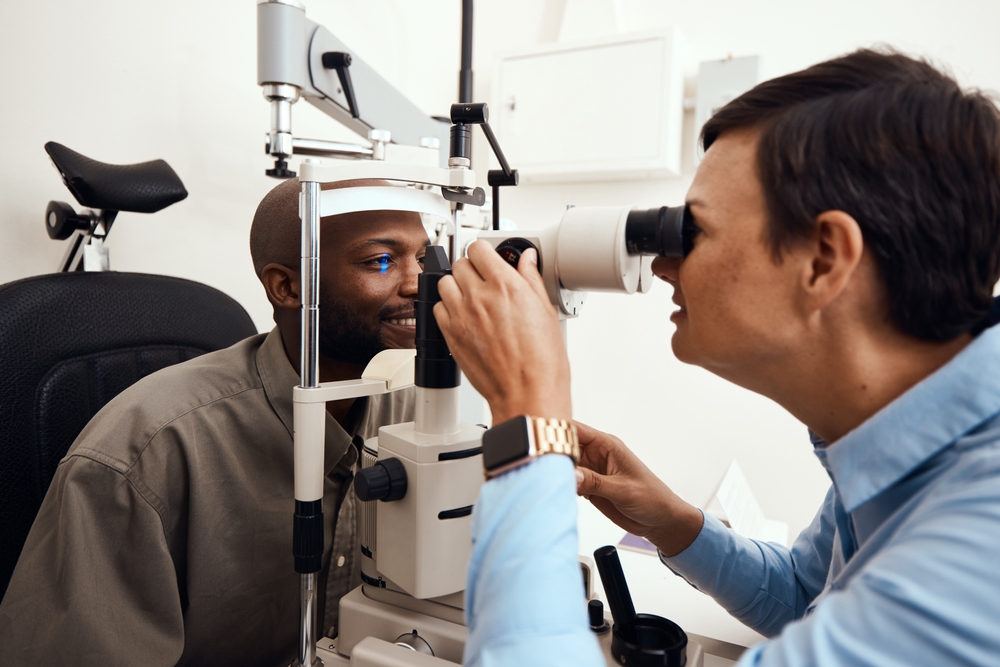
Ophthalmology is a branch of medicine focused on the diagnosis, treatment, and prevention of eye diseases, as well as the preservation of vision. The health of our eyes is crucial not only for sight but for overall well-being, as vision is a key sense that impacts nearly every aspect of our lives. As the study of the eyes, ophthalmology involves both medical and surgical interventions to treat a wide range of conditions, from common refractive errors to complex diseases that can lead to vision loss. This field continues to evolve with advancements in technology, offering patients better treatment options and hope for future breakthroughs.

What Is Ophthalmology?

Ophthalmology is the medical specialty that deals with the anatomy, physiology, and diseases of the eye. It is distinct from optometry, where optometrists provide primary eye care services, such as prescribing glasses or contact lenses. Ophthalmologists are medical doctors who specialize in treating eye conditions, performing surgeries, and addressing diseases that affect the eyes and vision.

An ophthalmologist's role goes far beyond correcting vision problems. They are trained to diagnose and treat eye diseases, perform delicate surgeries like cataract removal and retinal repair, and manage complex conditions like glaucoma and diabetic retinopathy. Ophthalmologists also contribute to preventative care and offer solutions to maintain healthy eyes throughout a patient's life.

The Scope of Ophthalmology

The field of ophthalmology encompasses a broad spectrum of conditions and treatments. It includes sub-specialties that focus on particular aspects of eye health, such as:

  1. Refractive Surgery: Ophthalmologists who specialize in refractive surgery focus on correcting common vision problems like nearsightedness (myopia), farsightedness (hyperopia), and astigmatism. LASIK and PRK (photorefractive keratectomy) are examples of laser-based treatments that can significantly reduce or eliminate the need for glasses or contact lenses.

  2. Glaucoma: Glaucoma is a group of eye diseases that damage the optic nerve, often due to high intraocular pressure. The condition is the leading cause of irreversible blindness globally. Ophthalmologists treat glaucoma through medications (usually in the form of eye drops), laser treatments, and sometimes surgery to help reduce eye pressure and preserve vision.

  3. Retina and Vitreous: Diseases of the retina, the light-sensitive tissue at the back of the eye, are a major focus of ophthalmology. Conditions like diabetic retinopathy, age-related macular degeneration, and retinal detachment can lead to severe vision loss. Ophthalmologists who specialize in retinal diseases perform advanced diagnostic tests and surgical procedures, such as laser treatment or vitrectomy (removal of the vitreous gel), to treat these conditions.

  4. Cataracts: Cataracts, which occur when the lens of the eye becomes cloudy, are one of the most common causes of vision impairment, particularly in older adults. Cataract surgery involves removing the cloudy lens and replacing it with an artificial one. This is one of the most commonly performed and successful surgeries worldwide.

  5. Pediatric Ophthalmology: This sub-specialty focuses on eye care for children, addressing conditions like amblyopia (lazy eye), strabismus (crossed eyes), and congenital eye disorders. Pediatric ophthalmologists work with children to detect and treat eye problems early, preventing long-term vision issues.

  6. Cornea and External Disease: The cornea is the clear, outer layer of the eye that plays a key role in focusing light. Ophthalmologists specializing in corneal diseases manage conditions like corneal infections, corneal transplants, and dry eye syndrome. They also treat external diseases, such as conjunctivitis (pink eye) and eye injuries.

  7. Neuro-ophthalmology: This specialized field connects the eye with the nervous system. Neuro-ophthalmologists diagnose and treat conditions that affect both vision and the nervous system, such as optic neuritis, stroke, and brain tumors. These conditions can affect the way the brain processes visual information.

Common Eye Conditions Treated by Ophthalmologists

  1. Cataracts: Cataracts develop when the natural lens of the eye becomes cloudy, causing blurred vision. Cataract surgery is one of the most effective and commonly performed procedures worldwide. During this surgery, the cloudy lens is replaced with a clear artificial lens, restoring vision.

  2. Glaucoma: Glaucoma is a progressive eye disease that damages the optic nerve, often caused by high pressure within the eye. The condition is "silent" in the early stages, meaning there may be no symptoms until significant vision loss occurs. Early detection through regular eye exams and treatments such as medication or surgery can help prevent further damage.

  3. Age-Related Macular Degeneration (AMD): AMD affects the macula, the part of the retina responsible for sharp, central vision. It is the leading cause of vision loss in people over 60. While there is no cure for AMD, treatments like injections and laser therapy can slow the disease's progression and improve vision.

  4. Diabetic Retinopathy: A complication of diabetes, diabetic retinopathy occurs when high blood sugar levels damage the blood vessels in the retina. It can lead to blindness if not managed. Regular eye exams are essential for individuals with diabetes to detect and treat diabetic retinopathy early.

  5. Dry Eye Syndrome: Dry eyes occur when the eye does not produce enough tears or when tears evaporate too quickly. This condition leads to irritation, redness, and discomfort. Treatment options include using artificial tears, medications, and, in severe cases, surgical interventions like punctal plugs.

  6. Refractive Errors: Refractive errors like myopia, hyperopia, and astigmatism are common visual problems. These can be corrected with eyeglasses, contact lenses, or refractive surgeries like LASIK.

  7. Strabismus and Amblyopia: Strabismus, or misalignment of the eyes, can lead to amblyopia (lazy eye) if untreated. Ophthalmologists work with patients, especially children, to correct strabismus through glasses, eye exercises, or surgery.

Advances in Ophthalmology

The field of 尖沙咀眼科醫生 has seen remarkable advancements in both diagnostic tools and treatment methods, making it one of the most innovative medical specialties. Some of the latest developments include:

  • OCT (Optical Coherence Tomography): OCT is an imaging technique that provides cross-sectional images of the retina. It is a powerful tool for diagnosing and monitoring conditions like glaucoma, diabetic retinopathy, and macular degeneration.

  • Laser Surgery: Laser-based procedures such as LASIK and PRK have revolutionized the treatment of refractive errors, providing patients with the option of clear vision without the need for corrective lenses. Lasers are also used in treatments for cataracts, glaucoma, and diabetic retinopathy.

  • Gene Therapy: In recent years, gene therapy has shown potential for treating inherited retinal diseases, such as retinitis pigmentosa. This emerging field holds promise for restoring vision to patients with genetic conditions that were once untreatable.

  • Artificial Intelligence (AI): AI is playing an increasingly important role in diagnosing and managing eye diseases. AI algorithms can analyze medical images, such as retinal scans, to detect early signs of disease, often with greater accuracy than traditional methods.

The Importance of Preventive Eye Care

One of the most important aspects of ophthalmology is prevention. Many eye diseases can be detected early through routine eye exams, allowing for more effective treatment and better outcomes. Regular eye exams are essential for individuals of all ages, but they are particularly important for those over the age of 40 or those with a family history of eye diseases.

Here are some tips to help maintain eye health:

  • Schedule Regular Eye Exams: Early detection of eye conditions can prevent permanent vision loss. Adults should have an eye exam every two years, and those over 60 or at higher risk of eye diseases should have more frequent exams.

  • Protect Your Eyes from UV Radiation: Wear sunglasses that block 100% of UV rays to reduce the risk of cataracts and macular degeneration.

  • Eat a Healthy Diet: Foods rich in antioxidants, vitamins C and E, and omega-3 fatty acids can help protect the eyes. Dark leafy greens, carrots, and fish are all excellent choices.

  • Stop Smoking: Smoking increases the risk of cataracts, macular degeneration, and other eye diseases. Quitting can significantly improve eye health.

Conclusion

Ophthalmology is a dynamic and critical field dedicated to preserving and enhancing vision. With the rapid advancements in technology and treatment options, ophthalmologists are now able to provide more accurate diagnoses, more effective treatments, and improved outcomes for their patients. Whether through corrective surgery, ongoing disease management, or early detection and prevention, ophthalmologists play a crucial role in ensuring that individuals maintain healthy eyes and good vision throughout their lives. Regular eye exams, a healthy lifestyle, and a focus on prevention can help safeguard vision for years to come.

The Art of Erotic Massage: Unlocking Sensuality, Connection, and RelaxationThe Art of Erotic Massage: Unlocking Sensuality, Connection, and Relaxation

Erotic massage is a practice that blends the therapeutic benefits of touch with the exploration of sensual pleasure and intimacy. Often misunderstood as a mere prelude to sexual activity, erotic massage is a multifaceted experience that promotes physical relaxation, emotional connection, and heightened sexual energy. It allows individuals to explore the art of touch, discover new ways to communicate with their partners, and open up avenues for deeper intimacy and understanding.

In this article, we will explore the essence of erotic massage, its benefits, the techniques that make it unique, and how to create a safe and enjoyable experience for both participants.

What is Erotic Massage?

Erotic massage is a specialized form of touch that involves intentional, sensual strokes aimed at awakening the body’s senses, increasing sexual arousal, and creating emotional connection between partners. While it often involves erotic and intimate areas of the body, the goal is not simply orgasm or sexual release, but a deeper understanding of one’s own sensuality and the fostering of intimacy in a relationship.

Unlike traditional massage therapies that focus on muscle relaxation or injury recovery, erotic massage focuses on tapping into the body's natural energy through slow, deliberate, and nurturing touch. By engaging erogenous zones—the areas of the body that are particularly sensitive to touch—the experience of erotic massage can help individuals or couples feel more in tune with their bodies, their desires, and each other.

The Key Benefits of Erotic Massage

Erotic massage offers numerous benefits, from physical relaxation to emotional healing. Here are some of the key advantages that make it a worthwhile practice:

1. Deepening Intimacy and Connection

One of the most profound benefits of erotic massage is its ability to foster deeper emotional and physical connection between partners. By engaging in an intimate act that is focused on touch and vulnerability, individuals have the opportunity to communicate on a deeper level and build trust. Erotic massage allows both partners to slow down, relax, and be present with one another, creating an emotional bond that is built on affection and shared experiences.

2. Enhancing Sensual and Sexual Pleasure

Erotic massage encourages the exploration of sensuality and sexual pleasure through touch. The act of massaging sensitive areas of the body, such as the inner thighs, neck, and back, helps to awaken the body’s sexual energy, leading to greater arousal and satisfaction. Erotic massage can serve as a form of foreplay, setting the stage for more intimate moments, but it is also valuable on its own as a way to build anticipation and pleasure.

3. Promoting Relaxation and Stress Relief

Like any form of massage, erotic massage offers the benefit of reducing stress and promoting relaxation. The slow, deliberate strokes and focused touch help release tension in the muscles, calm the nervous system, and soothe the mind. Erotic massage invites participants to focus on the present moment, allowing them to disconnect from external stressors and create a safe space for relaxation and enjoyment.

4. Improving Body Awareness and Confidence

Erotic massage encourages individuals to become more attuned to their bodies, enhancing self-awareness and body appreciation. For both the giver and receiver, it can be an opportunity to explore and embrace sensuality without judgment. erotic massage helps people become more comfortable with their physicality, which can lead to improved body confidence and a deeper connection to one’s sexual self.

5. Creating a Safe Space for Vulnerability

Erotic massage is a unique opportunity to create a safe, consensual, and intimate space where both individuals can express their desires, needs, and boundaries. The process of engaging in this type of touch requires trust, openness, and communication, all of which are essential for building healthy and fulfilling relationships. Erotic massage, when done with respect and consideration, can be an act of emotional healing and vulnerability, allowing both participants to feel more connected and secure.

Erotic Massage Techniques: How to Set the Mood and Practice the Art

The practice of erotic massage involves a blend of sensual techniques designed to enhance pleasure, stimulate intimacy, and relax the body. While each session can be unique, here are some techniques commonly used in erotic massage:

1. Long, Flowing Strokes

Long, sweeping strokes are one of the most basic and effective techniques used in erotic massage. These gentle, flowing movements are designed to cover large areas of the body, from head to toe, and can help to warm up the muscles and skin. The goal is to establish a rhythm and create a calming, sensual atmosphere. Using oils or lotions helps the hands glide smoothly over the skin, making the strokes feel more luxurious and comforting.

2. Circular Movements

Circular movements, particularly on the back, shoulders, and chest, help to release tension and stimulate circulation. These movements can be light and gentle, focusing on creating a soothing effect, or they can become more intense, depending on the comfort level of both parties. Circular strokes can be especially effective for awakening erogenous zones like the lower back, the base of the spine, and the inner thighs.

3. Kneading and Squeezing

Kneading and squeezing techniques are often used in traditional massage to release muscle tension. In erotic massage, these techniques can be adapted to be more sensual, focusing on soft tissue areas and applying gentle pressure to stimulate pleasure. These movements help increase blood flow to sensitive areas and can create heightened feelings of arousal and warmth.

4. Feather-Light Touch

A feather-light touch is an intimate technique that involves using the tips of the fingers or palms to caress the skin with light, delicate strokes. This can be incredibly effective in awakening the body’s sensitivity, particularly in areas like the neck, face, arms, and thighs. The goal is to increase tactile sensitivity, which can lead to heightened sexual arousal and pleasure.

5. Targeting Erogenous Zones

Erogenous zones—such as the inner thighs, the nape of the neck, the earlobes, and the lower back—are areas of the body that respond particularly well to touch. Erotic massage focuses on gently massaging these zones to stimulate sexual energy and increase arousal. Paying attention to these areas during the massage can significantly enhance the overall experience.

Preparing for a Memorable Erotic Massage

To ensure a fulfilling and safe experience, preparation is key. Here’s how to set the stage for an unforgettable erotic massage:

1. Create the Right Atmosphere

The environment plays a crucial role in setting the mood for an erotic massage. Dim the lights, light candles, and play soft, sensual music to create a calming atmosphere. Make sure the room is warm and comfortable, and consider using aromatherapy oils or incense to enhance the sensory experience.

2. Choose the Right Oils or Lotions

Using high-quality massage oils is essential for a smooth, enjoyable experience. Oils like coconut, almond, or jojoba are commonly used because they glide easily on the skin and are nourishing for the body. You can also choose essential oils with relaxing or aphrodisiac qualities, such as lavender, sandalwood, or ylang-ylang, to enhance the mood.

3. Communicate Openly

Before beginning, discuss boundaries, preferences, and any areas of the body that should be avoided. Communication is essential for creating a comfortable, safe, and enjoyable experience. Let your partner know what feels good and what doesn’t, and encourage them to do the same. This open dialogue will ensure that the massage is pleasurable and consensual.

4. Take Your Time

Erotic massage is not about rushing to an end goal. It’s about enjoying the journey of touch, connection, and exploration. Take your time with each stroke, allowing both you and your partner to fully relax and indulge in the sensations of the moment.

Conclusion: A Sensual Journey of Connection and Pleasure

Erotic massage is more than just a physical act—it’s an opportunity to deepen intimacy, enhance sensual awareness, and explore sexual energy in a mindful and respectful way. By incorporating slow, deliberate strokes, paying attention to erogenous zones, and creating a relaxed environment, erotic massage can be a powerful tool for building connection and increasing pleasure. Whether done as a form of foreplay or simply as a way to enjoy intimate touch, erotic massage can strengthen bonds, foster trust, and create lasting memories of mutual care and pleasure.


Comprehensive Elderly Care Services: Ensuring Quality and Comfort for SeniorsComprehensive Elderly Care Services: Ensuring Quality and Comfort for Seniors

Aging is a natural part of life, and ensuring that seniors receive high-quality elderly care services is essential for their well-being. Our specialized 長者護理服務 solutions provide seniors with the support they need to live with dignity, safety, and happiness.

Why Elderly Care Services Are Essential

As individuals age, they may experience physical limitations, cognitive decline, and medical conditions that require professional support. Quality elderly care services offer:

  • Personalized healthcare assistance

  • Daily living support for independent living

  • Companionship to enhance emotional well-being

  • Safe environments that reduce health risks

  • Rehabilitation and therapy programs

By choosing the right elderly care services, families can ensure their loved ones receive compassionate and effective care.

Types of Elderly Care Services

1. In-Home Care for Seniors

Many seniors prefer to remain in their own homes as they age. Our in-home care services provide:

  • Assistance with bathing, dressing, and grooming

  • Household chores and meal preparation

  • Medication management and health monitoring

  • Companionship to combat loneliness

  • Mobility support and fall prevention

In-home care enables seniors to maintain their independence while receiving essential support.

2. Assisted Living Facilities

For seniors who need structured care in a community setting, assisted living provides:

  • 24/7 professional care and supervision

  • Comfortable and well-equipped living spaces

  • Balanced meal plans and dietary support

  • Recreational and social engagement programs

  • Medical services and emergency response systems

Assisted living communities offer a safe, social, and supportive environment.

3. Specialized Memory Care Services

Seniors with Alzheimer’s and dementia require specialized care. Our memory care programs provide:

  • Cognitive therapy and structured activities

  • Secure environments to prevent wandering

  • Behavioral support and personalized care plans

  • Medication management and routine monitoring

  • Family counseling and caregiver education

Memory care ensures that seniors with cognitive conditions receive attentive and compassionate support.

4. Respite Care for Family Caregivers

Caring for an elderly loved one can be demanding. Our respite care services offer:

  • Short-term care in home or specialized facilities

  • Medical and personal care support

  • Engaging activities for seniors

  • Flexible scheduling to accommodate caregivers

Respite care allows caregivers to take necessary breaks while ensuring their loved ones receive quality attention.

Senior Wellness and Health Programs

1. Physical Therapy and Rehabilitation

Maintaining mobility and strength is crucial for seniors. Our physical therapy programs focus on:

  • Pain management and mobility improvement

  • Post-surgical and injury recovery exercises

  • Fall prevention and balance training

  • Customized fitness plans for active aging

Regular therapy sessions help seniors stay active and prevent age-related decline.

2. Emotional and Social Support

Mental health is just as important as physical well-being. Our emotional support services include:

  • One-on-one and group therapy sessions

  • Recreational activities and social gatherings

  • Art and music therapy for relaxation

  • Mindfulness and stress reduction practices

Strong emotional support enhances overall happiness and cognitive function.

3. Nutritional Planning and Meal Services

Proper nutrition is key to senior health. Our meal planning services provide:

  • Personalized dietary guidance based on medical needs

  • Nutritious meal preparation and delivery

  • Hydration and supplement recommendations

  • Specialized diets for diabetes, heart conditions, and more

A balanced diet supports immunity, energy, and overall wellness.

How to Choose the Best Elderly Care Services

When selecting elderly care services, consider the following factors:

  • Level of care needed (basic assistance, medical support, or memory care)

  • Preference for home care vs. community living

  • Health conditions and special requirements

  • Budget and available financial resources

  • Experience and reputation of the care provider

Our expert caregivers ensure that seniors receive compassionate, high-quality, and personalized care.

Final Thoughts: Enhancing the Lives of Seniors

Providing exceptional elderly care means prioritizing comfort, health, and dignity. Our comprehensive senior care services cater to every aspect of aging, ensuring that older adults receive the best possible support, medical care, and companionship. Whether through in-home care, assisted living, memory care, or wellness programs, we are committed to improving the lives of seniors and their families.