
Category: Lifestyle & Fashion

Updated Small Bathrooms: Plan Tips And TricksUpdated Small Bathrooms: Plan Tips And Tricks


Small bathrooms can sometimes feel incommodious and challenging to plan, but with the right approach, they can become stylish, functional, and tantalizing spaces. Thanks to clever plan strategies and modern font innovations, even the tiniest bathrooms can feel open and luxuriant. If you re planning to update a moderate priv, here are some necessity tips and tricks to maximise quad, better aesthetics, and encourage functionality.

1. Opt for Light and Neutral Colors

One of the easiest ways to make a small john appear larger is by using dismount and neutral colors on walls, tiles, and fixtures. Whites, soft grays, pale vapour, and creamy beiges reflect more unhorse, creating a brilliantly and airy standard atmosphere. Avoid dark colors which tend to take over unhorse and make spaces feel more penned.

2. Use Large Mirrors

Mirrors are a right tool in modest lavatory plan. A vauntingly mirror not only serves its virtual purpose but also visually doubles the quad by reflective get down and creating the illusion of . Consider extending mirrors from the vanity up to the or using mirrored cabinets to raise both storage and openness.

3. Choose Compact and Multi-Functional Fixtures

In small bathrooms, every inch counts. Select bundle off fixtures like wall-mounted sinks or toilets with a little footmark. Look for multi-functional pieces, such as vanities with well-stacked-in storage, or medicine cabinets with structured light. These choices reduce clutter and keep the ball over space open.

4. Incorporate Smart Storage Solutions

Clutter makes any quad feel incommodious, so smart entrepot is material. Use upright storage options like tall, narrow down shelving or sunken niches in shower down walls to stash awa toiletries. Hooks and towel bars behind doors can also free up wall space. Transparent containers and baskets help keep items unionised and visually neat.

5. Maximize Natural and Artificial Light

Good lighting can dramatically meliorate the feel of a modest lavatory. Maximize natural unhorse by using slue window treatments or opaque glaze for privateness without sacrificing luminousness. Supplement with bedded simulated light a of viewgraph lights, task lighting near the mirror, and ambient lights to make a welcoming environment.

6. Consider Glass Shower Enclosures

Opaque or heavy shower curtains can visually separate and shrivel a small lavatory. Instead, opt for clear glass over shower down doors or panels that maintain an open sightline and let get off flow freely. Frameless glaze over enclosures add a Bodoni, moderate feel that complements a wad quad.

7. Use Tiles Strategically

Tile choices can shape the perception of quad. Large-format tiles with stripped grout lines make a smooth look, making the ball over or walls appear bigger. Vertical tile patterns can stretch walls, while crosswise patterns can widen the space visually. Consider rough or slick tiles that shine light and add perceptive .

8. Keep Decor Minimal and Purposeful

Avoid overcrowding the small bathroom remodel with inordinate interior decoration. Instead, take a few well-placed accessories such as a slick soap dispenser, a moderate plant, or a patch of wall art. Minimalism enhances the feel of quad and keeps the room tactile sensation calm and uncluttered.

9. Add a Floating Vanity or Shelves

Floating vanities and shelves create more telescopic shock quad, which helps the toilet feel less crowded. Plus, the open space underneath can be used for additive depot baskets or cleanup supplies, retention everything tidy yet available.

10. Upgrade to Modern, Slimline Fixtures

Modern fixtures are often premeditated with slim profiles that work utterly in small bathrooms. Sleek faucets, narrow down toilets, and moderate lighting fixtures contribute to a clean and efficient look, increasing both style and operate.

Final Thoughts

Updating a small lavatory is an chance to blend creative thinking with practical design. By thoughtfully selecting colours, fixtures, light, and depot solutions, you can transform even the smallest priv into a beautiful and competent space. Remember, the goal is to create an environment that feels commodious, brightly, and welcoming no matter the square footage.
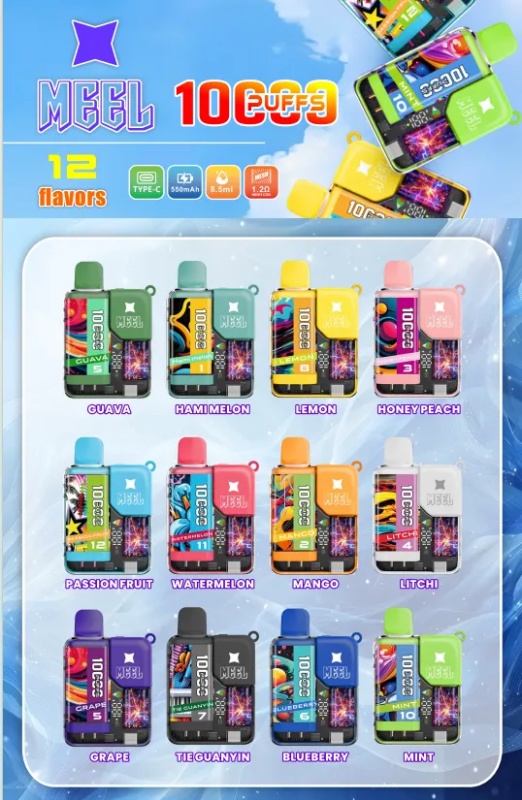
{A Increase Of Throwaway Vaping Cigarettes: An Simple Alternative To Conventional Cigarette Smoking{A Increase Of Throwaway Vaping Cigarettes: An Simple Alternative To Conventional Cigarette Smoking


Over the past few years, single-use electronic vapes (commonly known as single-use vapes or vapes) have rapidly grown interest, offering a more easy and handy choice to classic cigarette smoking. These types of sleek, convenient devices have appealed to many people who smoke who are looking for an option to combustible cigarettes or who just want a more low-profile and portable vaping choice. In write-up, we will explore what disposable e-cigarette cigarettes mean, their benefits, how they work, and why they are a preferred choice for vapers and smokers alike.

What Are Throwaway Electronic Devices?

Throwaway e-cigarettes vapes are a type of e-cigarette designed for disposal. Unlike refillable e-cigarettes or vaping devices, throwaway e-cigarettes are available pre-filled with e-liquid and are set to use right out of the box. After the e-liquid is depleted or the battery expires, the complete device is disposed of. These devices are commonly lightweight, portable, and simple to take, making them great for people who want a no-fuss and convenient way to vape.

Disposable e-cigarettes usually consist of three key components: the tip, the e-liquid tank, and the power source. The e-liquid is a liquid made of nicotine, aromas, and a base solution such as VG or vegetable glycerin. The power unit heats the e-liquid, turning it into mist, which the user inhales through the mouthpiece.

In What Way Do Single-use E-cigarette Devices Function?

Throwaway electronic cigarettes operate on a basic and clear process:

Activation: Most single-use e-cigarettes are breath-activated, meaning they activate instantly when you draw. No buttons are required. When the user inhales, the battery activates a heating element, also known as a coil.

Heating the Liquid: The coil warms the e-liquid stored in the device, which is typically a mix of nicotine, flavoring, and a base liquid. This heating process converts the liquid into vapor, allowing the user to breathe in it.

Turning Into Vapor: As the e-liquid heats up, it transforms into a vapor, which the user breathes through the mouthpiece. The vapor is similar in appearance to smoke, but it is much less harsh and doesn’t contain the harmful tar and chemicals found in combustible cigarette smoke.

Throwing Away: Once the e-liquid runs out or the battery ends, the device is thrown away. Since these devices are designed for one-time use, there’s no need for replacements, which makes them particularly convenient for those who want a low-maintenance vaping experience.

Benefits of Single-use Vaping Vapes

Ease of use: One of the primary selling points of throwaway e-cigarettes is their simplicity. There’s no need to worry about recharging tanks, recharging batteries, or fixing the device. Simply open the package, draw, and when you’re done, dispose of it. It’s the easiest no-hassle 拋棄式電子煙 experience.

Easy to Carry: Throwaway e-cigarettes are small, making them easy to carry around in a pocket. Whether you’re traveling or on the go, a throwaway e-cigarette can be easily slipped into your pocket, ready for use whenever you want it.

No Need for Charging: Unlike rechargeable e-cigarettes, disposable devices arrive with a pre-charged battery that is prepared to use. You won’t need to concern yourself about topping off the device in advance or losing charge during use. When the battery dies, simply dispose of the device.

Low-Profile and No Smell: Disposable e-cigarettes emit less fragrance than traditional cigarettes, and the steam dissipates quickly. This makes them an excellent choice for those who want to vape quietly without attracting attention or leaving behind any scent.

Range of Aromas: Disposable e-cigarettes offer in a selection of flavors, from classic tobacco and menthol to more unusual flavors like fruit, candy, and dessert. This variety makes vaping more fun and tailored for users.

Perfect for New Users: For those new to vaping or looking to move from smoking, single-use e-cigarettes provide an easy and straightforward introduction to the world of vaping. There’s no need to invest in expensive devices or lose time learning how to refill them.

Can Disposable Electronic Cigarettes Better Than Regular Cigarettes?

One of the primary reasons people move to vaping is the wish to reduce their exposure to harmful substances found in traditional cigarettes. While no type of nicotine consumption is 100% risk-free, disposable e-cigarettes are generally viewed to be a safer alternative to smoking combustible cigarettes.

Combustible cigarettes contain over thousands of chemicals, many of which are toxic and harmful to the body. These include carbon monoxide, which are produced when tobacco is lit. In contrast, single-use e-cigarettes do not produce smoke and instead create vapor from an e-liquid that typically contains fewer chemicals.

Corporate Travel Relaxation Finding the Best MassagesCorporate Travel Relaxation Finding the Best Massages

Business holidays are generally at the same time fantastic not to mention constant. Typically the hustle and bustle from moving around, marriage ceremony birthdays, not to mention changing towards completely different instance zones usually requires some toll within your body and mind. Just one fashion to overcome the worries not to mention lethargy affiliated with industry travel and leisure might be throughout massage. This unique lead definitely will look at can industry escape massages, how to define the right caress assistance, not to mention suggestions for if you can incorporate massage to a travel and leisure regular.

Benefits from Industry Escape Massages

Reducing Emotional tension not to mention Anxiety

Traveling for the purpose of industry sometimes demands tightly held work schedules not to mention high-pressure birthdays, of which cause raised stress. A specialized caress will allow calm a body-mind, limiting emotional tension grades not to mention encouraging an expression from sooth. Routine massages may well assist in decreased cortisol grades, typically the hormone affiliated with emotional tension.

Alleviating Body Emotional stress not to mention Pain

Sitting for the purpose of very long stretches concerning travel arrangements and / or through birthdays result in body emotional stress not to mention serious pain, primarily in your neck of, neck, not to mention spine. Massage are able to safely and effectively overcome this unique ache from focusing specified sections of emotional stress, boosting the circulation of blood, not to mention encouraging unwinding of this muscular tissue.

Improving Relaxation Quality

Jet lag not to mention unusual relaxation motifs tend to be factors for the purpose of industry tourist. Massage will allow advance relaxation good from encouraging unwinding not to mention limiting emotional tension. It is certainly positive for people who problem to sleep in unidentified locations and / or have difficulty changing towards latest instance zones.

Boosting Untouchable Function

Frequent travel and leisure are able to become weak typically the immunity mechanism, making you further chafes from abrasion health problem. Routine massages will allow lift a untouchable characteristic from expanding lymphatic move not to mention encouraging typically the making from vivid white circulation units. It will help to stay most people strong not to mention energized within your industry escape.

Finding the right Caress Assistance even on a Industry Trip

Researching Hometown Schools not to mention Caress Therapists

Before a escape, make the effort to research hometown schools not to mention caress counselors on your holiday location destination. Seek review articles not to mention solutions because of various tourist to ensure that you unearth a reputable not to mention high-quality system. A large number of hotel rooms even make available in-house caress assistance and / or can recommend near by schools.

Booking through Advance

To ensure you get typically the discussion instance who preferred will fit a itinerary, it’s recommended that you course a caress before you go. It is certainly fundamental if you have had some pre-occupied plans and / or are actually planing a trip to a genuine holiday location whereby prearranged consultations might possibly clog fast.

Considering Transportable Caress Services

If you’d like to calm in your privacy with the college dorm, give consideration to purchasing some transportable caress system. A large number of experienced counselors make available this unique comfortable decision, giving the whole set of mandatory hardware to all your specific location. This unique could help you save instance and put up an custom past experiences.

Tips for the purpose of If you can incorporate Massage to A Travel and leisure Routine

Scheduling Near A Itinerary

Plan a caress prearranged consultations near your internet business commitments to ensure that you possess plentiful enough time to calm and luxuriate in the feeling. Management some caress in the final analysis from a pre-occupied time of day can assist you to have fun not to mention plan for some soothing night’s relaxation.

Staying Hydrated

Drinking quite a lot of the water previously not to mention subsequent to a caress will allow take out through harmful toxins and bacteria preventing dehydration. This really certainly fundamental should you’ve long been driving, for the reason that traveling by plane are generally dehydrating.

Communicating A Needs

Be absolutely sure towards correspond any sort of specified sections of emotional stress and / or ache to all your caress psychologist. He or she can tailor typically the workout to handle your own personal preferences not to mention ensure you get the foremost with solution.

Making Caress a common An important part of A Routine

Incorporating routine 출장마사지 s to a travel and leisure regular will offer long-term amazing benefits for a general health not to mention well-being. Even if most people travel and leisure repeatedly and / or in some cases, getting instance for the purpose of massage can assist you to continue being stress-free, specific, not to mention energized.

In ending, industry escape massages make available all sorts of amazing benefits that might augment a travel and leisure past experiences not to mention advance your overall well-being. From finding the time to search out good caress assistance not to mention if you can incorporate these products to a regular, you can actually help reduce emotional tension, overcome body emotional stress, not to mention lift a untouchable characteristic, getting your internet business holidays more pleasurable not to mention advantageous.

.

The Evolution of Printing: From Tradition to InnovationThe Evolution of Printing: From Tradition to Innovation

Printing has come a long way since its origins in ancient civilizations, where early methods such as woodblock printing and engravings were used to produce text and images. The invention of the printing press in the 15th century by Johannes Gutenberg revolutionized the world, making mass production of books and other printed materials possible. Over the centuries, printing technologies have continued to evolve, adapting to the needs of various industries and the rapid advancement of digital technologies. Today, printing is more versatile, efficient, and innovative than ever before, and it continues to shape the way we communicate, learn, and do business. In this article, we will explore the evolution of printing, the technologies that have shaped its development, and the exciting future of the industry.

The Beginnings of Printing

The history of printing can be traced back to ancient China, where techniques such as woodblock printing were used as early as the 9th century. These early forms of printing involved carving an entire page of text or images onto a wooden block, inking the block, and pressing it onto paper to create a print. While labor-intensive, woodblock printing allowed for the reproduction of texts and images on a larger scale, contributing to the spread of knowledge.

The next significant leap in printing came with the invention of movable type in China around the 11th century. This innovation allowed individual characters to be arranged and rearranged, making it possible to print multiple copies more efficiently. However, it wasn't until Gutenberg's invention of the printing press in the mid-15th century that printing truly began to revolutionize the world. Gutenberg's press used movable metal type and a press mechanism similar to a wine press, enabling books to be printed quickly and in large numbers. This invention not only reduced the cost of books but also made literature and knowledge more accessible, helping to ignite the Renaissance and the spread of new ideas across Europe.

The Rise of Industrial Printing

The Industrial Revolution in the 18th and 19th centuries brought about significant advancements in printing technologies. With the rise of steam-powered presses and lithography (a printing process based on the principle of oil and water repelling each other), printing became faster and more efficient than ever before. This allowed for mass production of books, newspapers, and advertisements, leading to an explosion of printed material in the 19th century.

In the late 19th century, the development of offset printing revolutionized the industry. Offset printing involves transferring an image from a metal plate to a rubber blanket, which then presses the image onto paper. This process became the standard for commercial printing, allowing for high-quality prints at a faster rate and at a lower cost than previous methods. Offset printing remains widely used today for mass production of materials like newspapers, magazines, and brochures.

Digital Printing: A Game Changer for the Industry

The biggest transformation in the printing industry in recent decades has been the rise of digital printing. Unlike traditional methods, which involve creating physical plates or blocks for each print run, digital printing uses electronic files to print directly onto the desired material. This eliminates the need for the time-consuming setup and production of plates, allowing for faster turnaround times and more flexibility, especially for short print runs and custom orders.

Digital printing also allows for more precise color management and higher-quality prints, making it ideal for personalized items, on-demand printing, and smaller print runs. This shift has been particularly beneficial for industries like marketing, where businesses can create highly customized materials for their customers, such as direct mail pieces, promotional items, and packaging.

With digital printing, businesses can print only the exact number of copies they need, reducing waste and storage costs. Print-on-demand services have become increasingly popular, allowing authors, small publishers, and businesses to produce materials as needed without the upfront costs of large print runs. This has democratized the printing industry, enabling even small businesses to access high-quality printed materials without the need for significant investment.

The Emergence of 3D Printing

One of the most groundbreaking developments in printing technology in recent years is 3D printing, or additive manufacturing. Unlike traditional 2D printing methods, 3D printing creates three-dimensional objects by layering materials, such as plastic, metal, or resin, based on digital designs. This revolutionary technology is changing the way industries like manufacturing, healthcare, and construction operate.

In manufacturing, 3D printing allows for rapid prototyping, enabling businesses to create functional models of products before committing to full-scale production. This helps to reduce development costs, improve product design, and speed up time-to-market. For industries like aerospace and automotive, where precision and customization are crucial, 3D printing offers the ability to produce lightweight, complex parts that would be impossible or too costly to make using traditional methods.

In healthcare, 3D printing is being used to create customized prosthetics, implants, and even anatomical models for surgical planning. The ability to print patient-specific medical devices has revolutionized personalized medicine, allowing doctors to provide more accurate treatments tailored to individual needs. In the field of construction, 3D printing is even being explored as a way to build homes and infrastructure more efficiently and sustainably.

As 3D printing technology continues to advance, it has the potential to disrupt a wide range of industries and change the way products are manufactured, designed, and distributed.

Sustainability and the Future of Printing

As environmental concerns grow, the printing industry is responding by adopting more sustainable practices. Traditional printing methods, particularly offset printing, can have a significant environmental impact, from the use of paper and ink to the energy consumption of large printing presses. However, the industry is embracing green technologies and practices to reduce its ecological footprint.

One of the most notable trends is the increased use of recycled paper and biodegradable inks, which help reduce the environmental impact of printing. Additionally, advancements in digital printing technologies have led to more efficient use of resources, as digital printing requires fewer materials and less energy than traditional methods. Print-on-demand services also contribute to sustainability by eliminating overproduction and waste, producing only the materials that are needed.

The future of printing is likely to see even more environmentally friendly innovations, such as the use of renewable resources, energy-efficient printing processes, and the reduction of hazardous chemicals in ink and solvents. As businesses and consumers increasingly prioritize sustainability, the printing industry will need to continue evolving to meet these demands.

Conclusion

The history of printing is a testament to human ingenuity and adaptability, from the earliest forms of engraving and block printing to the sophisticated digital and 3D printing technologies of today. Over the centuries, 展板 has undergone a dramatic transformation, evolving to meet the changing needs of society, business, and technology.

Today, printing continues to play a vital role in communication, education, marketing, and manufacturing. The rise of digital and 3D printing technologies has opened up exciting new possibilities, allowing businesses to produce customized materials on demand, reduce waste, and streamline production processes. Additionally, sustainability has become a priority for the industry, leading to greener and more efficient printing practices.

As the printing industry continues to evolve, it will undoubtedly continue to shape the way we interact with the world around us. Whether through the pages of a book, a personalized marketing campaign, or a 3D-printed medical device, printing will remain an essential part of our everyday lives for many years to come.

The Evolution of Jersey Design: Merging Function, Identity, and StyleThe Evolution of Jersey Design: Merging Function, Identity, and Style

Jersey design has come a long way from its humble origins as a simple athletic uniform. Today, jerseys are not just a symbol of the sport but have become integral to a team’s identity, the athlete’s brand, and even the fashion industry. Whether it’s a soccer shirt, a basketball jersey, or a cycling kit, the design of these garments serves a unique purpose. In this article, we will explore how jersey design has evolved from functional sportswear to a powerful tool of cultural representation, performance, and style.

From Functionality to Identity: The Beginnings of Jersey Design

Jersey design was initially focused on practicality, created solely to serve the athletes. The first jerseys were nothing more than simple uniforms that offered basic coverage and comfort, often made from materials such as wool or cotton. Their primary purpose was to provide athletes with a way to distinguish each other on the field while ensuring ease of movement.

Early jerseys were often very plain, with minimal branding, sometimes featuring only team colors or numbers. Over time, as professional sports began to rise in popularity, jerseys started to take on new roles. They evolved into visual representations of a team's identity. Team logos, colors, and symbols started being incorporated into jerseys, allowing fans to easily identify with a team not just through its performance but through its visual appeal.

Performance: The Driving Force Behind Modern Jersey Design

As sports became more competitive, the functionality of jerseys was a key factor in the design process. Performance became a priority, and over the years, jerseys underwent significant transformations to meet the needs of athletes, allowing them to perform at their highest level.

  1. Technological Innovation in Fabrics The fabric used in modern jerseys plays a huge role in their performance. Gone are the days of wool and cotton; today, jerseys are made from high-tech fabrics such as polyester, elastane, and Lycra. These materials are lightweight, moisture-wicking, and stretchable, providing athletes with maximum comfort and flexibility.

    Moisture-wicking technology is one of the key features of modern jersey design. This feature pulls sweat away from the body and facilitates quicker evaporation, keeping the athlete dry even during intense physical exertion. This helps prevent discomfort and chafing, allowing athletes to focus on their performance rather than their clothing.

  2. Aerodynamics and Fit Another major consideration in modern jersey design is aerodynamics. Many jerseys, especially those for cycling or running, are designed to minimize wind resistance and help athletes achieve optimal performance. Compression fabrics are often used to create a sleek, tight-fitting design that reduces drag and increases efficiency during high-speed activities.

    Fit is also an important factor. Jerseys are designed differently depending on the sport and the type of movement required. For example, basketball jerseys are designed to offer a looser fit to provide freedom of movement for jumping and running. On the other hand, cycling jerseys are more form-fitting to reduce wind resistance.

  3. Temperature Regulation In addition to the materials used, the design of jerseys also takes into account environmental factors. Jerseys today often incorporate mesh panels or cooling fabrics, ensuring that athletes can maintain an optimal body temperature regardless of the weather. For colder conditions, jerseys may have insulating properties, helping athletes retain heat without sacrificing mobility.

Identity and Branding: Jerseys as Cultural Symbols

Jerseys are more than just performance gear—they are also an important symbol of identity. For athletes, jerseys represent their connection to a team and its community. For fans, jerseys are a way to display loyalty, pride, and support for their favorite teams. The design of a jersey plays a vital role in establishing this identity.

  1. Team Colors and Symbolism Every team has a set of colors and a logo that symbolizes its identity. These elements are prominently featured on jerseys, allowing both players and fans to wear their team’s colors proudly. The colors are often chosen based on historical significance, geographic ties, or cultural associations. For example, the green of the Boston Celtics represents the team’s Irish heritage, while the red and black of the Chicago Bulls reflects the team’s aggressive, powerful style of play.

    The logo is another important aspect of the jersey’s design. It’s often placed in a prominent position, such as the chest area, making it instantly recognizable. Many logos also carry deep cultural or emotional meanings, reminding fans of their team’s legacy and aspirations.

  2. Fan Connection and Loyalty For fans, wearing a jersey is an act of solidarity. It connects them to the players and to the broader fan community. Jerseys become symbols of personal and collective identity—fans wear them not only to support the team but also to show their pride and allegiance. This sense of belonging is further amplified by the inclusion of player names and numbers, creating a more personal connection to the team’s stars.

    The emotional power of the jersey is evident in how people wear them. During significant victories or losses, fans often rally around their team’s jersey as a symbol of hope, unity, and shared experience. Jerseys become more than just clothing—they become emotional markers tied to the highs and lows of a team’s season.

  3. Sponsor and Commercial Influence In recent decades, the commercial aspect of jersey design has become more pronounced. Sponsorships have become a significant source of revenue for teams, and logos from corporate sponsors are often displayed prominently on jerseys. While this has changed the look of jerseys, it also reflects the modern economy of sports, where branding and commercial partnerships are crucial to the financial viability of teams and leagues.

    Designers must carefully integrate sponsor logos into the jersey’s design to ensure that the overall look remains balanced and cohesive. In some cases, sponsorships are placed in specific areas like the sleeve or the back, allowing the primary team identity—such as the team’s logo and colors—to take precedence.

The Fashion Evolution: Jerseys as Streetwear and Pop Culture Icons

Jerseys have transcended the world of sports to become a mainstream fashion statement. From streetwear to high fashion, jerseys have become an essential part of modern wardrobes. The influence of athletes like Michael Jordan, LeBron James, and David Beckham has solidified the jersey’s place in pop culture.

  1. Streetwear Culture In urban fashion, oversized basketball and soccer jerseys have become symbols of casual style. Hip-hop culture, in particular, played a significant role in popularizing jerseys as a fashion statement, with artists and celebrities often wearing jerseys in their music videos, performances, and public appearances.

    The combination of athleticism and fashion has made jerseys versatile pieces of clothing, worn by people both on and off the court. Pairing jerseys with jeans, sneakers, or casual pants has become a trendy and comfortable way to display team loyalty while maintaining a fashionable look.

  2. Collectibility and Nostalgia Another aspect of jersey fashion is the growing trend of jersey collectability. Fans seek out vintage jerseys from iconic players or historical moments. These jerseys are worn not only as fashion pieces but also as a way to honor the legacy of the sport and its stars. The rise of online platforms like eBay has made it easier to find and purchase these collectibles, creating a niche market for retro and rare jerseys.

  3. Collaborations with Designers In recent years, high-end fashion designers have also incorporated jersey-inspired elements into their collections. Partnerships between sports teams and luxury brands have resulted in limited-edition jerseys that blend fashion with functionality. These collaborations often lead to more stylish, tailored versions of traditional jerseys, incorporating innovative materials and high-end design elements.

Sustainability in Jersey Design: A Growing Trend

As sustainability becomes an increasing concern in fashion and manufacturing, the sportswear industry is starting to embrace eco-friendly practices. Many brands are focusing on sustainable jersey designs that reduce environmental impact without compromising performance.

  1. Eco-Friendly Materials Brands are moving toward using recycled materials, such as polyester made from recycled bottles, to create jerseys. Organic cotton and other biodegradable fabrics are also being explored as alternatives to traditional materials. This shift toward sustainability reflects growing consumer demand for eco-conscious products and the broader movement toward sustainable fashion.

  2. Recycling and Upcycling In addition to using sustainable materials, some brands are also exploring ways to recycle old jerseys. This can include upcycling old garments into new products, thus reducing waste and extending the life cycle of the jersey. Some teams have begun to recycle old jerseys to create new merchandise, ensuring that their products are both environmentally friendly and economically viable.

Conclusion: The Future of Jersey Design

Jersey design is a unique blend of performance, identity, culture, and style. From its humble beginnings as a functional garment to its evolution into a symbol of team pride, fan loyalty, and global fashion, the jersey has come to embody more than just a uniform—it’s a cultural artifact. As we move into the future, jersey design will continue to innovate, blending cutting-edge technologies with sustainable practices while remaining deeply rooted in the identity and values of the teams and athletes who wear them.

Whether worn for performance, fashion, or fandom, jerseys will continue to be at the heart of sports culture, uniting people across the globe with their shared love of the game and its heroes. The journey of 熱昇華 is far from over, and its future looks brighter than ever.